Luxury Living Redefined Fine Dining Exotic Escapes and Elite Shopping
Luxury is no longer measured only by marble floors, famous labels, or a table at the most talked-about restaurant in town. The modern idea of luxury is quieter and more personal. It lives in unhurried service, rare settings, objects made with patience, and moments that feel impossible to repeat.
A memorable meal can be luxurious without being loud. A private island can feel less indulgent than a perfectly timed sunset on a secluded terrace. A couture fitting can be as much about craftsmanship as it is about status. True luxury is the art of choosing well, then giving that choice your full attention.
Imagine arriving at a coastal hotel just as the evening light turns gold. A chilled towel is placed in your hand. The sea carries a faint scent of salt and jasmine. Dinner is not rushed. The chef visits your table only once, not to perform, but to explain how the menu follows the weather, the market, and the season. Later, a silk-lined boutique opens privately for a short viewing. Nothing is hurried. Nothing feels ordinary. That is the new pleasure of luxury living.

Fine dining becomes an experience beyond the plate
Fine dining has moved far beyond polished cutlery and long wine lists. At its best, it creates a sense of occasion from the first greeting to the final petit four. The meal matters, of course, but so does the rhythm around it.
A fine restaurant understands anticipation. The lighting flatters without dimming the room into secrecy. The chairs support a long conversation. The menu reads with confidence, not confusion. Each course arrives at a pace that lets the evening breathe.
The pleasure often begins with restraint. A delicate broth served in a handmade cup. A single oyster dressed with citrus and sea herbs. Fresh pasta rolled that morning. A mango dessert that honours the fruit rather than hiding it beneath spectacle. These choices feel luxurious because they show care, not excess.
In India, luxury dining can carry a deep link to place. A refined thali may showcase regional technique with royal elegance. A coastal tasting menu may use kokum, curry leaves, fresh crab, and tender coconut in a way that feels both modern and rooted. A North Indian winter menu may treat sarson ka saag, morels, or slow-cooked meats with the respect often reserved for truffles and caviar.
The finest dining experiences share a few qualities:
Seasonality
Ingredients taste more vivid when they arrive at their natural peak.
Personal attention
Service feels intuitive, not intrusive.
A clear point of view
The chef knows what the restaurant stands for.
Texture and pacing
A great meal moves from crisp to silky, light to rich, quiet to dramatic.
A memorable end
The final bite should feel like a graceful bow, not an afterthought.
The wine or beverage pairing adds another layer. It could be Champagne, a rare single malt, a textured sake, or a thoughtful non-alcoholic pairing built around teas, ferments, botanicals, and spice. Luxury welcomes personal preference. It does not insist on one version of taste.
A truly elegant meal does not announce its cost. It reveals its care.
Exclusive travel turns distance into discovery
Luxury travel is often described through destinations, but the deeper appeal lies in access. Access to silence. Access to unspoilt views. Access to guides who know the stories behind a place. Access to time without interruption.
The most desirable escapes now balance beauty with privacy. Travellers seek journeys that feel crafted rather than packaged. A private villa in the Maldives, a forest lodge near a tiger reserve, a restored palace in Rajasthan, a chalet in the Swiss Alps, or a ryokan in Japan can all offer luxury in very different ways.
The shared thread is atmosphere.
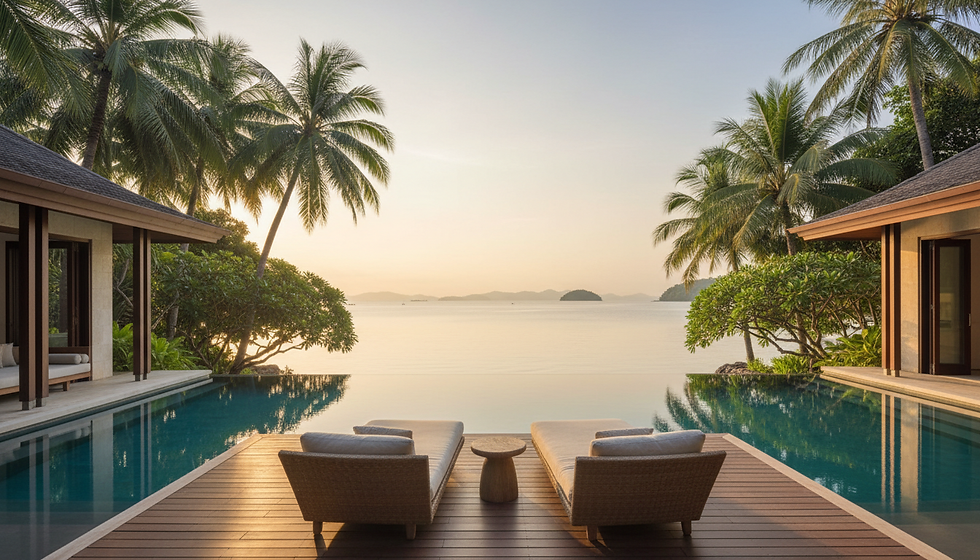
A desert escape may begin with a slow drive past dunes at dusk, followed by dinner beneath a clear sky. A mountain retreat may offer mornings wrapped in mist, with breakfast served beside a fire. A tropical island may remove every sharp edge from the day, leaving only blue water, soft sand, and the quiet theatre of the tide.

The most compelling luxury destinations feel intimate even when they are famous. Consider experiences such as:
A chef-led dinner in a vineyard after the day’s guests have left
A private sailing trip along a quiet coastline
A guided art walk through a historic city before galleries open
A wellness retreat where treatments follow local healing traditions
A safari where the conversation is as rich as the wildlife sighting
Comfort matters, but it must serve the journey. A suite should not simply be large. It should frame the view, soften the noise, and help the guest move effortlessly from rest to exploration. Good luxury design removes friction. The luggage appears. The itinerary adjusts. The car arrives before you ask. The room remembers how you like your tea.
For Indian travellers, the idea of indulgent travel can be beautifully varied. One month, it may mean a monsoon break in the Western Ghats. Another, it may mean a winter palace stay in Udaipur or Jaipur. A longer escape may lead to the French Riviera, Tuscany, Dubai, Bhutan, Bali, or the Amalfi Coast. Luxury lives in the fit between the traveller and the place.
High-end shopping celebrates craft and character
Elite shopping is most satisfying when it feels like a private conversation with craft. The finest boutiques do not simply sell. They reveal how an object came into being.
A hand-finished watch carries the precision of hundreds of small decisions. A silk sari woven in Banaras can hold weeks of labour in its border. A leather bag may reveal its quality through the way it ages, softens, and develops character. A diamond necklace may dazzle, but its lasting appeal depends on proportion, setting, and the quality of workmanship.
Luxury shopping is often misunderstood as impulse. In truth, the best purchases are rarely rushed. They are chosen with a sense of self. The question shifts from “What is impressive?” to “What will I treasure?”

The finest shopping experiences often include:
Private appointments
A quieter setting allows better attention to fit, material, and detail.
Made-to-measure service
Clothing, jewellery, and accessories gain meaning when shaped to the wearer.
Heritage knowledge
Understanding technique deepens appreciation.
Aftercare
Repair, cleaning, storage, and restoration preserve the life of a piece.
Rarity
Limited production can make an item feel personal without relying on show.
High-end shopping also rewards restraint. A wardrobe of fewer, finer pieces often feels more luxurious than a room full of trends. A well-cut black jacket, handwoven shawl, handcrafted juttis, a fine watch, and one extraordinary evening bag can offer more daily pleasure than a collection bought only for novelty.
This is where luxury becomes sustainable in spirit, even when the word itself is overused. Buying a piece that lasts, can be repaired, and carries personal meaning creates a different relationship with ownership. It turns possession into stewardship.
Private rituals make luxury feel personal
The most refined part of luxury living often happens away from public view. It might be a Sunday breakfast served on a balcony, a fragrance chosen for a particular season, a handwritten note placed beside fresh flowers, or a bath prepared after a long flight.
These gestures are small, but they change the texture of a day.
Luxury does not always require travel or a reservation. It can appear in daily rituals when they are treated with care. Freshly pressed cotton sheets. A beautiful cup for morning coffee. A tailored jacket that fits exactly. A quiet hour with a book and no device nearby. The power lies in attention.
A life of taste is built through repetition. The hotelier’s skill, the chef’s discipline, the artisan’s hand, and the host’s thoughtfulness all share one thing: they dignify the moment in front of them.
Try building a personal luxury ritual around one of these ideas:
Choose one meal each week and set the table properly, even if dining at home.
Invest in one excellent version of an everyday object, such as a robe, pen, or tea set.
Keep a travel notebook with places, dishes, scents, and shops worth remembering.
Create a wardrobe care routine for fine fabrics, shoes, watches, and jewellery.
These rituals may look simple, but they sharpen taste. Over time, they help separate what is merely expensive from what is truly satisfying.
The art of indulgence lies in choosing with intention
Luxury living feels richest when the experiences connect. A remarkable trip leads to a market visit. The market visit inspires a meal. The meal inspires a new appreciation for craft. A boutique purchase later becomes a reminder of a place, a season, or a person.
The ideal journey might begin in a hotel suite with pale morning light filtering through sheer curtains. Breakfast arrives on a silver tray: papaya with lime, warm bread, sharp marmalade, and coffee poured slowly. By afternoon, the day opens into a private gallery visit, followed by a fitting at a quiet atelier where bolts of silk line the walls. Evening brings dinner at a small restaurant known not for spectacle, but for grace.
No part of the day shouts. Each part belongs.

This is the refined promise behind modern luxury. It offers not just comfort, but continuity. It connects where you go, what you taste, what you wear, and what you remember.
The most elegant experiences leave space for emotion. The first spoonful of a perfect consommé. The hush before sunrise over the water. The weight of a watch placed on the wrist for the first time. The rustle of silk in a private fitting room. These moments stay because they involve the senses and the imagination together.
To indulge well, choose fewer experiences and enter them fully. Book the table that reflects a place with honesty. Travel to the destination that gives room for wonder. Buy the piece that will still feel right years from now. Luxury, at its finest, is not a display of abundance. It is a practice of discernment, pleasure, and presence.

Comments