Exploring The Luxperiences Small Blogs for Luxury Travel Inspiration
Luxury travel planning can feel oddly noisy. There are glossy destination guides, long hotel reviews, influencer round-ups, seasonal offers, flight hacks, and endless “must-visit” lists. The result is often less clarity, not more.
That is where short, focused travel writing earns its place. The Luxperiences small blogs can be useful because they offer compact bursts of inspiration, the kind that help shape a better trip without asking for an hour of reading time. A well-written small blog can spark an idea, sharpen a preference, or help compare two very different styles of travel.
Why small luxury travel blogs work so well
Luxury travel is deeply personal. One traveller may picture a quiet mountain retreat with a fireplace and long walks. Another may want a private island stay, a chef-led dinner, and a yacht transfer. A third may care most about a heritage hotel that feels rooted in its location.
Long guides often try to cover everything. Small blogs do something different. They focus attention.
A short post can answer one useful question:
Is this destination better for a honeymoon or a family holiday?
What kind of traveller will enjoy this hotel style?
Which season makes a luxury stay feel more special?
What small experiences make a place memorable?
How does a beach escape differ from a cultural city break?
This tighter format suits luxury travel because the details matter. A few specific notes about privacy, design, food, service style, or local experiences can be more useful than a broad list of attractions.
For anyone collecting ideas, The Luxperiences small blogs can act like a mood board in written form. Each post may add one piece to the larger picture of the journey.
What makes a small blog genuinely useful
Not every short travel post is helpful. Some are too vague. Others read like a brochure. The best small luxury blogs have a few clear qualities.
They give the place a mood
A luxury trip is not only about where to go. It is about how the place feels.
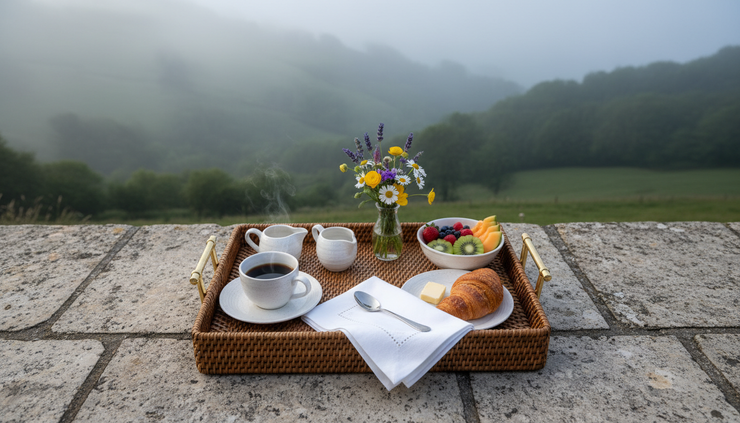
A good small blog helps place the reader inside the experience. It may describe a quiet breakfast by the sea, a suite opening onto snow-covered peaks, or a candlelit dinner in a restored palace courtyard. These details are not decoration. They help match a destination with a traveller’s expectations.
The mood matters because two trips to the same country can feel completely different. A wellness retreat in Bali is not the same as a design-led beach club stay. A heritage hotel in Rajasthan gives a different rhythm from a desert glamping camp.
They focus on experience, not just amenities
Luxury hotels often share similar words: spa, infinity pool, fine dining, private transfers. Those features are useful, but they do not tell the full story.
A stronger blog asks what those features create. Does the spa suit a slow recovery weekend? Does the villa layout work for a multigenerational family? Does the dining feel local and intimate, or international and polished?
The distinction helps readers move from “this looks expensive” to “this suits my trip”.
They make planning easier
A compact post should leave readers with a clearer direction. Even if it does not answer every question, it should help narrow the next step.
That could mean choosing between a city stay and a resort stay, deciding whether to travel in the dry season, or realising that a destination needs five nights rather than two. Small blogs work best when they reduce uncertainty.
How to read luxury travel inspiration with a planner’s eye
Reading for inspiration is enjoyable. Reading with a planner’s eye makes it more valuable.
The next time a small blog catches attention, look for signals that help shape real decisions.
Notice the travel occasion
Luxury travel often begins with an occasion. The reason for the trip changes everything.
A honeymoon needs privacy, beauty, and a sense of ease. A milestone birthday may need celebration, dining, and group-friendly spaces. A family holiday needs comfort without making the trip feel ordinary. A solo reset may need silence, wellness, and safety.
If a blog clearly hints at the occasion, save it under that category. This makes comparison easier later.
Look for the pace of the experience
Some luxury trips are slow. Others are full of movement.
A slow trip may include long breakfasts, spa time, reading by the pool, short walks, and unhurried dinners. A more active journey might include guided tours, water sports, tasting menus, wildlife drives, or boutique shopping.
Neither is better. The useful question is whether the blog describes a pace that fits the traveller’s energy.
Separate the destination from the hotel
A beautiful hotel can make a trip, but the wider destination still matters.
For example, a remote resort may offer privacy and calm, but it may also mean fewer outside dining choices. A city hotel may give access to culture and nightlife, but the stay may feel less restful. A mountain retreat may be stunning, but transfers and weather need more thought.
A small blog that hints at this balance is more useful than one that only praises the property.

The luxury themes worth following
Small blogs are especially helpful when grouped around themes. Rather than collecting random destinations, it helps to follow a few travel styles.
Private island and beach escapes
Beach luxury is not only about blue water. The experience can change widely from one destination to another.
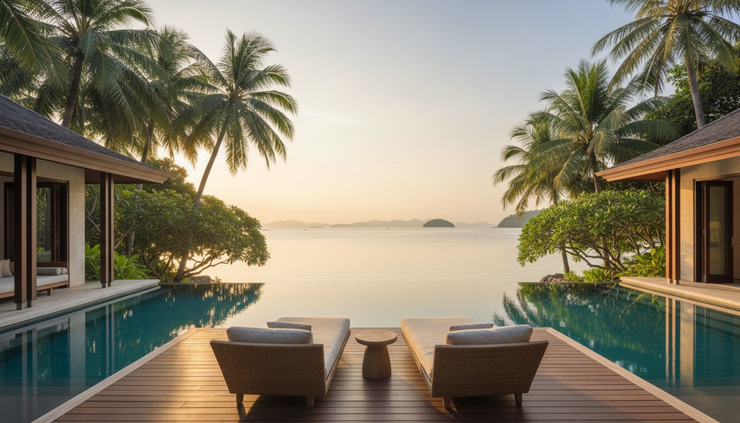
Some beach stays focus on barefoot ease, with sand paths, open-air bathrooms, and simple seafood. Others feel polished, with butler service, Champagne breakfasts, spa rituals, and yacht-style design.
A small blog can help reveal whether the beach escape feels secluded, social, romantic, family-friendly, or wellness-led.
Heritage and palace stays
For Indian travellers, heritage luxury has a special appeal. Rajasthan, Kerala, Goa, and parts of the Himalayas offer properties where architecture, food, music, and local craft shape the stay.
The best writing in this space notices more than old buildings. It observes the courtyards, stonework, regional cuisine, local rituals, and the quiet theatre of service.
This kind of inspiration works well for anniversaries, destination weddings, and slow cultural holidays.
Wellness and restorative retreats
Wellness travel has grown beyond spa menus. A true restorative trip may include sleep quality, food philosophy, nature immersion, gentle movement, and digital quiet.
A small blog can help identify whether a retreat feels serious and structured, or soft and indulgent. That distinction matters. Some travellers want daily consultations and guided routines. Others simply want a pool, a massage, fresh food, and no pressure.
City luxury and cultural weekends
Not every luxury trip needs a resort. Cities can offer some of the richest experiences: art walks, chef-led dining, theatre, shopping, design hotels, and heritage neighbourhoods.
A short blog about a city break should help answer where to stay and how to pace the trip. For example, a two-night luxury weekend in Singapore, Dubai, Bangkok, Jaipur, or Mumbai works best when the hotel location supports the plan.
Wildlife and nature-led luxury
Luxury safari lodges and nature retreats offer a different kind of richness. The value is often in access, guides, quiet, and setting.
A useful small blog does not overpromise sightings. Wildlife is never guaranteed. Instead, it should focus on the quality of guiding, the comfort of the lodge, the landscape, and the rhythm of early mornings and evenings.
Turning inspiration into a shortlist
Luxury travel decisions involve time, money, and emotion. A simple shortlist helps keep the process clear.
Start by saving only the ideas that create a real response. If a blog makes a destination feel vivid, keep it. If it sounds pleasant but forgettable, move on.
Then sort the saved ideas into three groups:
Ready soon
For a special occasion
Dream list
Trips that fit the current season, budget, and available leave.
Ideas suited to anniversaries, birthdays, honeymoons, or family celebrations.
High-value journeys that need more time, planning, or a bigger budget.
This method keeps inspiration enjoyable without letting it turn into an endless list.
Next, compare each idea by practical factors:
Best season to travel
Length of stay needed
Flight and transfer effort from India
Visa requirements, where relevant
Privacy and crowd levels
Food preferences
Child-friendly or adult-focused setting
Budget range in INR
Weather risk during the chosen month
A beautiful trip can still be the wrong trip if the timing is off. Small blogs inspire the dream, but the shortlist makes it usable.
How Indian travellers can use these blogs better
For readers planning from India, luxury travel inspiration has a few extra layers. Flight access, school holidays, visa timelines, currency value, and festival periods can affect the final choice.
A destination that looks perfect in a short blog may still need checking against practical questions.
Match the trip with Indian holiday windows
Long weekends, summer holidays, Diwali breaks, Christmas and New Year, and anniversary dates often shape travel decisions. These periods can also bring higher rates and lower availability.
Small blogs can help create early interest, but luxury stays benefit from advance planning, especially for popular seasons.
Think about flight comfort
A luxury holiday should not start with an exhausting route unless the destination justifies it. Direct flights, sensible layovers, and comfortable arrival times matter.
For short breaks, flight ease should carry more weight. For longer holidays, travellers may accept extra effort for a rarer experience.
Balance global and Indian luxury
There is no need to see luxury only as international travel. India offers world-class stays across palace hotels, wildlife lodges, wellness retreats, tea estates, beach resorts, and mountain hideaways.
Small blogs can be useful for comparing domestic and international ideas side by side. A long weekend in Udaipur may answer the same emotional need as a short overseas escape, with less travel fatigue.
What to be careful about when reading short travel content
The strength of a small blog is also its limitation. It cannot cover everything.
Use it as a starting point, not the final source of truth. Before booking, check updated details directly with the hotel, travel advisor, airline, tourism board, or official visa source.
Pay special attention to:
Seasonal closures
Renovation work
Transfer times
Child policies
Meal inclusions
Cancellation rules
Local taxes and service charges
Weather patterns
Accessibility needs
Luxury travel is often defined by smoothness. Small details can decide whether a stay feels effortless or stressful.
It also helps to read across several posts. If every description sounds the same, the content may not be giving enough useful detail. Strong inspiration should make destinations feel distinct.
Building a personal luxury travel mood board
A practical way to use The Luxperiences Small Blogs for Luxury Travel Inspiration is to treat each post as one tile in a larger mood board.
Create a saved folder, note, or document with categories such as:
Beach and island stays
Mountain retreats
Palace and heritage hotels
Wellness breaks
Food-led journeys
Wildlife experiences
Family-friendly luxury
Romantic escapes
Once-in-a-lifetime trips
Under each saved idea, add two short notes.
Why it appeals
This could be privacy, design, food, nature, service, or a specific occasion.
What to check before booking
This could be flights, season, cost, visa, child policy, or weather.
Over time, patterns appear. Some travellers keep saving remote villas. Others return to cultural stays, quiet wellness resorts, or glamorous city hotels. Those patterns make future planning easier.

The real value is clarity
Luxury travel inspiration should do more than create desire. It should help define taste.
The best small blogs make that possible. They take one idea and frame it clearly enough to help a reader decide whether to save it, skip it, or explore further. They make the world feel rich without making planning feel heavy.
The Luxperiences small blogs can be most useful when read with both imagination and judgement. Let the images and descriptions spark the dream. Then ask the practical questions that turn that dream into a trip worth taking.
A better luxury journey usually starts with a simple moment of recognition: this is the kind of place, pace, and feeling I want next.


Comments